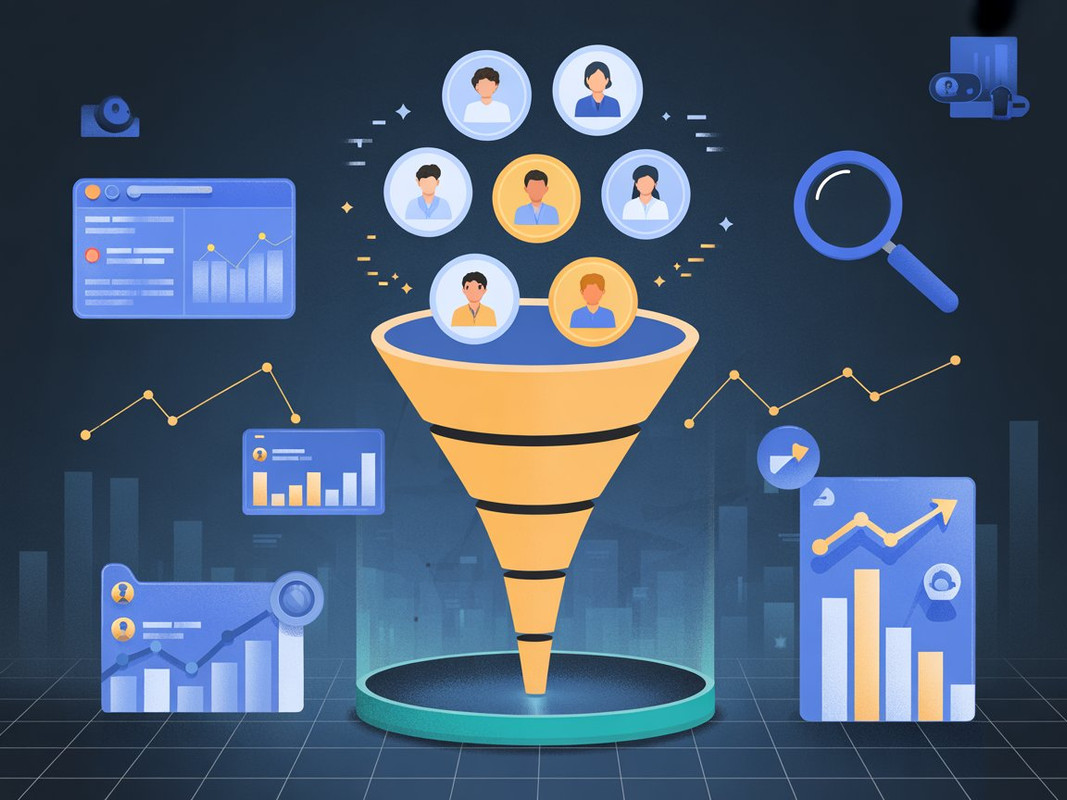
Cost-per-lead (CPL) campaigns are a cornerstone of modern digital marketing, allowing businesses to acquire potential customers at a predetermined cost. However, optimizing these campaigns for both cost efficiency and lead quality requires strategic planning and continuous refinement. This guide will walk you through proven techniques to reduce your CPL while improving the quality of leads you receive.
Understanding Cost-Per-Lead Campaigns
Cost-per-lead is a payment model where advertisers pay for each qualified lead generated, rather than for clicks or impressions. A lead typically consists of contact information and other relevant data that indicates interest in a product or service.
The effectiveness of CPL campaigns depends on two critical factors: cost efficiency and lead quality. While reducing cost per lead is important, acquiring low-quality leads can be counterproductive and damage long-term business success.
Key Components of Successful CPL Campaigns
Target Audience Definition
Clearly defining your target audience is fundamental to CPL success:
- Detailed demographic profiles (age, gender, income, education)
- Psychographic characteristics (interests, values, lifestyle)
- Behavioral patterns (purchase history, online activities)
- Firmographic data for B2B campaigns (company size, industry)
Compelling Lead Magnets
High-value lead magnets drive conversion rates and reduce CPL:
- Ebooks and whitepapers with actionable insights
- Free trials or demos of your product
- Exclusive webinars with industry experts
- Discounts or special offers
- Templates and tools that solve specific problems
Optimized Landing Pages
Landing pages are where leads are captured and qualified:
- Clear, compelling headlines that match ad copy
- Strong value propositions above the fold
- Minimal form fields to reduce friction
- Trust signals and social proof elements
- Mobile-responsive design for all devices
Strategies to Reduce CPL
Audience Targeting Optimization
Precise targeting ensures your ads reach the most likely converters:
Lookalike Audiences
Expand your reach to similar users based on existing customers:
- Upload customer lists to create lookalike models
- Adjust audience size for optimal balance of reach and quality
- Test multiple lookalike audiences simultaneously
- Regularly refresh lookalike models with new customer data
Custom Audiences
Retarget engaged users for higher conversion rates:
- Website visitors who didn't convert initially
- Email subscribers who haven't engaged
- Engaged social media followers and commenters
- App users with specific behavior patterns
Bid Strategy Optimization
Smart bidding strategies can significantly impact CPL:
Target CPA Bidding
Automated bidding that optimizes for conversion value:
- Set realistic target CPL based on profit margins
- Allow algorithms time to learn and optimize
- Monitor performance and adjust targets as needed
- Use conversion tracking for accurate measurement
Manual Bidding with Adjustments
Hands-on approach for maximum control:
- Adjust bids based on time of day and day of week
- Modify bids for different audience segments
- Implement bid caps to control costs
- Use bid multipliers for high-performing segments
Creative and Messaging Optimization
Compelling creative drives engagement and conversions:
Ad Copy Testing
- Test different value propositions and benefits
- Experiment with urgency and scarcity elements
- Try various call-to-action phrasings
- Test emotional vs. rational messaging approaches
Visual Creative Optimization
- Use high-quality, relevant images and videos
- Test different color schemes and layouts
- Implement brand-consistent visual elements
- Optimize for platform-specific requirements
Improving Lead Quality
High-quality leads are more likely to convert into customers:
Lead Scoring and Qualification
Implement systems to identify high-potential leads:
- Demographic scoring based on ideal customer profiles
- Behavioral scoring from website and email engagement
- Firmographic scoring for B2B leads
- Engagement scoring from content consumption
Progressive Profiling
Collect additional information over time without overwhelming users:
- Start with minimal form fields for initial capture
- Request additional information through follow-up emails
- Offer value exchange for additional data points
- Use surveys and quizzes for engaging data collection
Lead Validation and Verification
Ensure lead data accuracy and authenticity:
- Implement real-time email validation
- Use phone number verification services
- Deploy CAPTCHA and bot detection tools
- Monitor for suspicious pattern activity
Channel-Specific Optimization
Search Advertising
Optimize search campaigns for lead generation:
- Target high-intent keywords with commercial modifiers
- Use ad extensions to provide additional value
- Implement negative keywords to reduce irrelevant traffic
- Optimize landing pages for search traffic quality
Social Media Advertising
Leverage social platforms for targeted lead acquisition:
- Use platform-specific targeting capabilities
- Create engaging video content for awareness
- Implement carousel ads for multiple value propositions
- Utilize lead ads for streamlined capture processes
Display and Native Advertising
Build awareness and capture leads through visual content:
- Use retargeting to re-engage website visitors
- Implement contextual targeting for relevant placements
- Create native content that provides value
- Test various ad formats for optimal performance
Advanced Optimization Techniques
Data-Driven Decision Making
Use analytics to guide optimization decisions:
- Implement comprehensive conversion tracking
- Use attribution modeling to understand customer journeys
- Analyze lead quality metrics beyond basic conversion
- Monitor lifetime value of acquired leads
Machine Learning and AI
Leverage technology for smarter optimization:
- Use predictive analytics for audience targeting
- Implement automated bid optimization
- Deploy dynamic creative optimization
- Use AI-powered audience segmentation
A/B Testing Framework
Systematic testing drives continuous improvement:
- Test one variable at a time for clear insights
- Maintain statistical significance before making changes
- Document results for future reference
- Apply learnings across campaigns and channels
Performance Measurement and Analytics
Key Metrics to Track
- Cost Per Lead: Total campaign cost divided by number of leads
- Conversion Rate: Percentage of leads that become customers
- Lead Quality Score: Composite metric of lead characteristics
- Return on Ad Spend (ROAS): Revenue generated divided by advertising cost
- Lifetime Value (LTV): Long-term value of acquired leads
Reporting and Analysis
- Create automated dashboards for real-time monitoring
- Generate weekly and monthly performance reports
- Conduct quarterly strategy reviews and adjustments
- Share insights with cross-functional teams
Common Mistakes to Avoid
Poor Tracking Implementation
Inaccurate tracking leads to poor decision-making:
- Implement proper conversion tracking from day one
- Regularly audit tracking for accuracy
- Use multiple tracking methods for verification
- Monitor for discrepancies and resolve quickly
Ignoring Lead Quality
Focusing solely on cost without considering quality:
- Establish lead quality benchmarks
- Implement lead scoring systems
- Regularly review lead quality metrics
- Adjust campaigns based on quality feedback
Over-Optimization
Excessive optimization can actually hurt performance:
- Maintain statistical significance before making changes
- Avoid making too many changes simultaneously
- Allow campaigns time to stabilize before optimization
- Consider long-term impact, not just short-term gains
Future Trends in CPL Marketing
Privacy-First Advertising
Adapting to changing privacy regulations and user expectations:
- Greater emphasis on first-party data collection
- Development of privacy-compliant targeting methods
- Increased focus on contextual advertising
- Investment in alternative identification methods
Predictive Lead Scoring
Advanced analytics for better lead qualification:
- Machine learning models for lead scoring
- Real-time lead quality assessment
- Predictive lifetime value modeling
- Automated lead routing to sales teams
Getting Started with CPL Optimization
Foundation Setup
- Define clear target audience profiles
- Create compelling lead magnets and offers
- Set up proper tracking and analytics
- Establish baseline performance metrics
Initial Campaign Launch
- Start with modest budgets to learn
- Focus on one or two high-performing channels
- Implement basic A/B testing from the beginning
- Monitor performance daily during initial phase
Continuous Improvement
- Regularly review and optimize campaign elements
- Expand successful strategies to new channels
- Invest in technology and tools for scale
- Maintain detailed records for optimization insights
Conclusion
Optimizing CPL campaigns requires a balanced approach that considers both cost efficiency and lead quality. By implementing the strategies outlined in this guide, you can reduce your cost per lead while improving the quality of prospects you acquire.
Success in CPL marketing comes from continuous testing, optimization, and adaptation to changing market conditions. The most effective marketers are those who view optimization as an ongoing process rather than a one-time setup, constantly seeking new opportunities to improve performance.
As you implement these strategies, remember that CPL optimization is not just about reducing costs, but about acquiring the right leads that will drive long-term business growth. By focusing on both efficiency and quality, you'll build sustainable lead generation campaigns that support your business objectives.